Imagine waking up to your phone alarm that automatically adjusts based on your sleep cycle, scrolling through social media where the content feels “just right” for you, or getting music suggestions that match your mood perfectly.
What makes all of this possible? Machine Learning (ML).
Machine learning is no longer a futuristic concept — it’s deeply woven into the apps we use every single day. From Netflix recommendations to Google Maps routes, from spam filters in Gmail to personalized fitness tracking, ML quietly powers the digital world around us.
But here’s the fascinating part: most people use dozens of ML-powered applications daily without realizing it. In this article, we’ll uncover how machine learning makes your favorite apps smarter, faster, and more personal — and why it’s the secret sauce behind modern app innovation.
1. What Is Machine Learning — and Why Does It Matter?
Before diving into its impact, let’s break down what machine learning actually means.
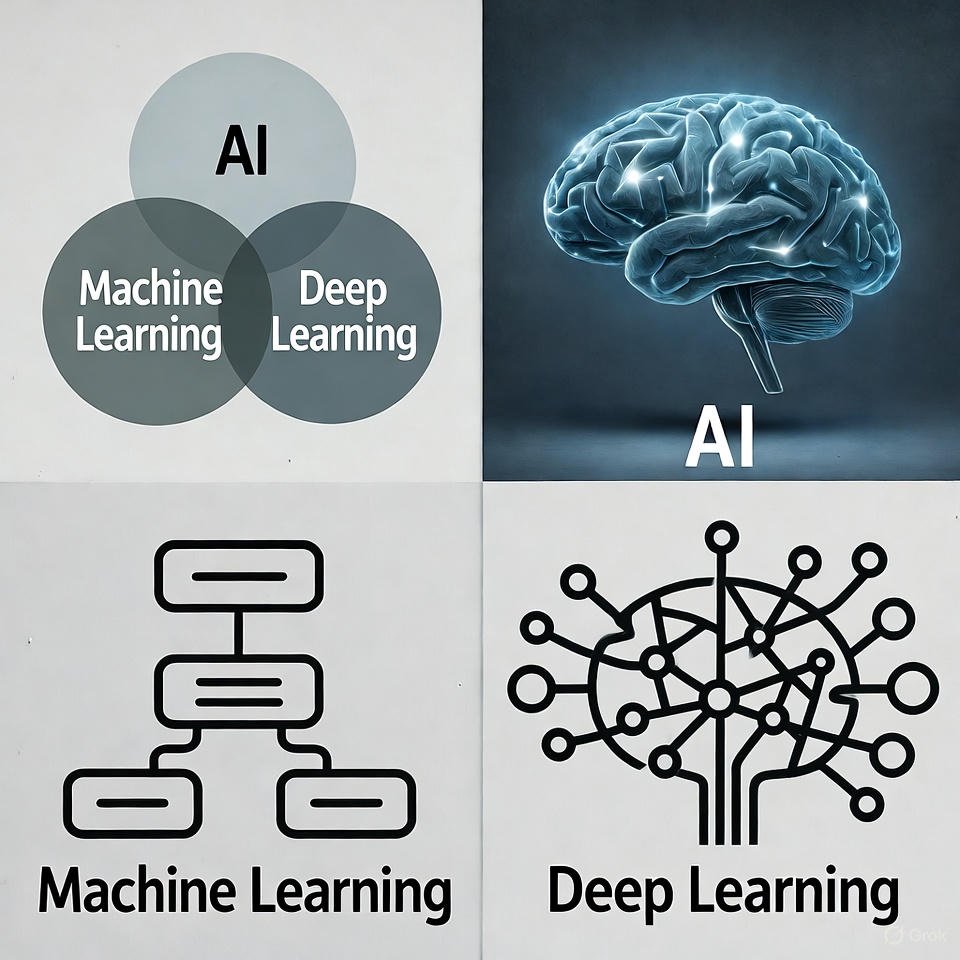
In simple terms, machine learning is a branch of artificial intelligence (AI) that enables computers to learn from data and improve over time — without being explicitly programmed.
Instead of giving a computer a fixed set of rules, we feed it data and let it find patterns. These patterns help the machine make predictions, decisions, or recommendations automatically.
Example
When Netflix suggests a movie, it’s not guessing randomly — it’s using ML algorithms trained on millions of viewing patterns to predict what you’re most likely to enjoy next.
Why It Matters
Machine learning makes technology:
- Personalized: Adapts to individual user behavior.
- Efficient: Automates tasks humans used to do manually.
- Predictive: Anticipates what users might want or need next.
- Scalable: Handles millions of users with evolving preferences.
2. The Role of Machine Learning in Everyday Apps
Let’s explore how machine learning works quietly behind the scenes in the apps we use daily.
a. Social Media Platforms
If you’ve ever wondered why your Instagram or TikTok feed feels tailor-made for you — thank ML.
Machine learning powers:
- Feed personalization: Predicts which posts or videos will keep you engaged.
- Face recognition: Helps tag people automatically in photos.
- Spam and abuse detection: Filters fake accounts or harmful content.
- Ad targeting: Matches ads to users based on interests and behaviors.
Example:
Instagram’s Explore page uses ML to analyze the types of content you like and interact with — then suggests similar content you’ve never seen before. This keeps users scrolling longer, which is why personalization is key to engagement.
b. Streaming Services (Netflix, YouTube, Spotify)
Streaming platforms thrive on recommendation systems — and machine learning is at their core.
- Netflix: Uses collaborative filtering and deep learning to predict what shows you’ll like next.
- YouTube: Suggests videos based on your watch history, engagement, and similar users.
- Spotify: Generates playlists like “Discover Weekly” by analyzing music patterns, genres, and tempo preferences.
Fun fact:
Over 80% of Netflix’s watched content comes from personalized recommendations powered by ML.
c. E-Commerce and Shopping Apps
Every time you browse Amazon or Flipkart, ML is silently shaping your shopping experience.
- Product recommendations: Based on browsing history, purchase trends, and similar users.
- Dynamic pricing: ML models adjust prices depending on demand, time, or location.
- Search optimization: Predictive search and autocomplete save time and increase accuracy.
- Fraud detection: Flags suspicious transactions instantly.
Example:
Amazon’s recommendation engine reportedly drives 35% of its total sales, all thanks to machine learning.
d. Navigation and Ride-Sharing Apps
Whether you use Google Maps, Uber, or Ola, ML ensures your journey is smooth and efficient.
- Route optimization: Predicts traffic patterns and finds the fastest route.
- ETA prediction: Adjusts travel times using real-time data.
- Surge pricing: Determines pricing dynamically based on supply and demand.
- Driver-passenger matching: Finds the best match for both efficiency and satisfaction.
Example:
Google Maps processes billions of location data points using ML to predict traffic congestion and recommend alternate routes within seconds.
e. Health and Fitness Apps
Health apps like Fitbit, Apple Health, and MyFitnessPal rely heavily on machine learning to monitor and improve user wellness.
- Activity recognition: Detects steps, workouts, or sleep stages automatically.
- Personalized coaching: Adapts fitness recommendations to individual habits.
- Heart rate and sleep tracking: Uses ML to detect anomalies or potential health issues.
- Predictive analytics: Anticipates health risks based on data patterns.
Example:
Apple Watch’s fall detection and irregular heartbeat alerts are both powered by ML models trained on massive datasets of motion and heart rhythm data.
f. Banking and Finance Apps
Financial institutions use machine learning to enhance both security and personalization.
- Fraud detection: Identifies unusual spending patterns or suspicious logins.
- Credit scoring: ML models analyze hundreds of variables beyond traditional credit scores.
- Chatbots: AI assistants like Erica (Bank of America) help users manage finances.
- Personalized insights: Suggest savings plans or investment options.
Example:
PayPal’s ML algorithms prevent billions in potential fraud losses annually by analyzing transaction data in real-time.
g. Communication and Productivity Apps
Tools like Gmail, Outlook, Slack, and Notion have quietly integrated ML to make daily communication smarter.
- Email classification: Separates spam, promotions, and primary mail.
- Smart reply and autocomplete: Predicts text as you type.
- Meeting scheduling: Tools like Calendly predict the best available time slots.
- Document summarization: ML condenses large text into key insights (e.g., Notion AI).
Example:
Gmail’s “Smart Compose” saves users over 1 billion keystrokes every week — all thanks to ML predictive typing.
3. Machine Learning Features That Make Apps Smarter
1. Personalization
Machine learning enables apps to adapt to each user individually — whether it’s a personalized feed, recommended playlist, or product suggestions. This personalization increases engagement and retention dramatically.
2. Automation
ML automates repetitive tasks like data entry, categorization, or filtering — freeing humans to focus on creativity and strategy.
3. Predictive Analytics
Predicts what users will do next — whether it’s suggesting the next song, forecasting user churn, or detecting anomalies in app behavior.
4. Natural Language Processing (NLP)
ML enables apps to understand and respond to human language.
Examples:
- Voice assistants like Alexa and Siri
- Chatbots in e-commerce and customer service
- Translation apps like Google Translate
5. Image and Voice Recognition
From unlocking phones with facial ID to searching by image on Pinterest — ML models analyze patterns in visuals and speech to enhance accessibility and convenience.
4. Real-World Examples of ML-Powered Apps
| App | ML Feature | Real-Life Benefit |
|---|---|---|
| Netflix | Recommendation Engine | Keeps users engaged and reduces churn |
| Google Maps | Traffic Prediction | Saves time and fuel |
| Spotify | Music Personalization | Improves listening experience |
| Amazon | Product Recommendations | Boosts sales and customer satisfaction |
| Gmail | Spam Filtering & Smart Compose | Increases productivity |
| Fitbit | Health Insights | Promotes wellness through pattern analysis |
| Uber | ETA & Pricing Prediction | Optimizes driver-passenger experience |
5. Behind the Scenes: How Machine Learning Actually Works
Let’s peek under the hood briefly.
1. Data Collection
Apps gather massive amounts of user data — like clicks, searches, or location.
2. Training the Model
ML models are trained on this data to identify patterns (e.g., users who like rock music often also like pop).
3. Predictions
Once trained, the model makes predictions — like suggesting a playlist or detecting spam.
4. Feedback Loop
The model learns continuously from user behavior, improving over time.
Example:
If you skip certain songs on Spotify, its recommendation model adjusts immediately to better fit your taste.
6. The Impact on User Experience
Machine learning doesn’t just make apps smarter — it makes them feel human.
a. Hyper-Personalization
Users feel understood when apps adapt dynamically to their preferences.
b. Reduced Friction
Autocomplete, recommendations, and automation reduce the number of steps needed to complete a task.
c. Enhanced Security
Biometric logins, fraud detection, and spam filters protect users seamlessly.
d. Real-Time Decisions
Ride-hailing and navigation apps make split-second updates for accuracy and efficiency.
7. Challenges and Ethical Considerations
Despite its power, machine learning brings challenges developers must navigate carefully.
1. Data Privacy
Apps often rely on personal data. Developers must ensure compliance with GDPR, CCPA, and other privacy regulations.
2. Bias in Algorithms
If the training data is biased, predictions can be unfair or inaccurate — affecting user trust.
3. Transparency
Users should understand how recommendations or decisions are made — especially in finance or healthcare apps.
4. Over-Reliance on Automation
Too much automation may reduce human control or accountability.
5. Energy and Cost
Training ML models can be resource-intensive — both financially and environmentally.
Tip:
Developers can use lightweight, pre-trained models (like TensorFlow Lite) to balance efficiency with performance.
8. How Developers Can Integrate Machine Learning into Apps
You don’t need a Ph.D. to bring ML into your app — just the right tools.
1. Use Pre-Trained APIs
Platforms like Google Cloud AI, AWS SageMaker, and Microsoft Azure offer ready-made ML APIs for:
- Vision (image recognition)
- Speech (transcription, translation)
- NLP (text classification, chatbots)
2. Use On-Device ML
Libraries like TensorFlow Lite or Core ML allow mobile apps to process ML models locally — faster and privacy-friendly.
3. Collect Data Responsibly
Only gather the data you truly need. Be transparent with users about data usage.
4. Focus on User Value
Don’t add ML for the sake of buzzwords — use it where it genuinely improves the user experience.
5. Continuously Test and Iterate
Monitor user behavior and retrain models regularly to prevent performance decay.
9. Future of Machine Learning in Everyday Apps
Machine learning is just getting started. The next decade will see apps becoming even more intelligent, intuitive, and human-like.
Trends to Watch
- Context-aware AI: Apps that adjust based on mood, location, and habits.
- Edge ML: Faster and more secure processing on local devices.
- Emotion recognition: Detecting tone, sentiment, or facial emotion for personalized interactions.
- AI copilots: Tools that assist users proactively, like ChatGPT or GitHub Copilot.
- Sustainability-focused ML: Optimizing energy use in smart homes and devices.
Soon, ML won’t just improve apps — it will define how humans interact with technology altogether.
Conclusion
Machine learning is quietly shaping the modern digital experience — powering recommendations, automations, and predictions that feel almost magical.
From Netflix to Google Maps, ML turns ordinary apps into intelligent assistants that understand, anticipate, and personalize your needs. For developers, it opens the door to innovation like never before. For users, it means faster, smarter, more human-like interactions.
The best part? We’re still just scratching the surface. As machine learning continues to evolve, our apps — and the way we live with them — will only get smarter.
So next time your phone suggests a perfect playlist or route, remember: it’s not luck — it’s machine learning at work.